What is Ayahuasca?
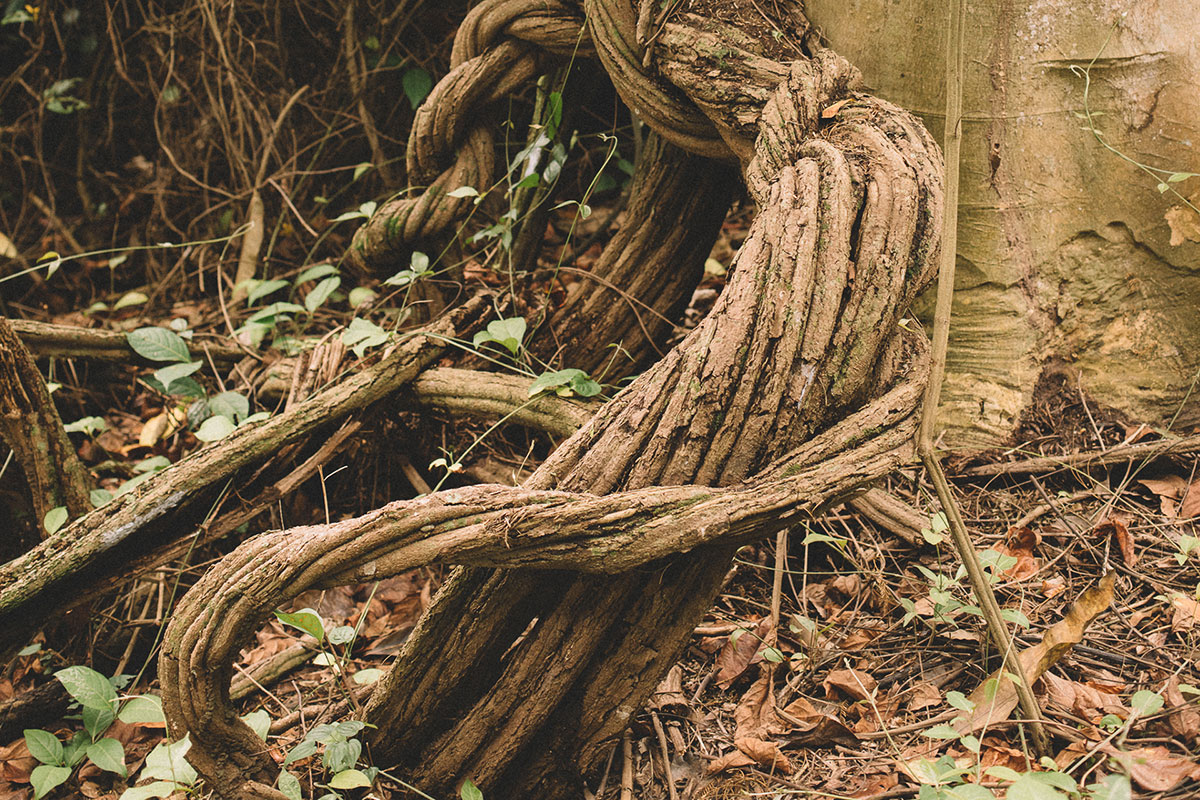
Ayahuasca is a plant-based brew that has been used since ancestral times by Indigenous peoples of the Amazon rainforest for therapeutic, spiritual, and knowledge-seeking purposes. In specialized contexts such as the Takiwasi Center, its use is integrated into a clinical and ritual framework aimed at treating addictions and fostering personal development.
Along with the so-called “dieta”, ayahuasca is considered one of the main healing tools of Amazonian traditional medicine when used under appropriate conditions, with proper preparation, guidance, and therapeutic follow-up.
What is Ayahuasca made of?
Ayahuasca is a plant preparation made primarily from two psychoactive plants:
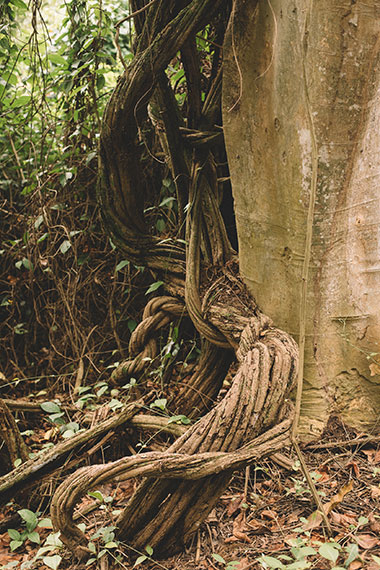
• The ayahuasca vine (Banisteriopsis caapi) which gives the brew its name.
• The leaves of chacruna (Psychotria viridis).
The active principles of ayahuasca arise precisely from the combination of these two plants: chacruna provides DMT (dimethyltryptamine), while the vine contains beta-carboline alkaloids that enable its absorption and activity in the body.
The combination of these plants produces an expanded state of consciousness that facilitates deep introspective processes. In the Amazonian tradition, these plants are known as “master plants”, as they are believed to teach and guide processes of inner transformation.
What are the effects of Ayahuasca?
The effects of ayahuasca are physical, psychological, and symbolic. They typically include:
• Expanded states of consciousness (visions, memories, insights).
• Intense emotional activation, which can facilitate cathartic processes.
• A re-examination of one’s personal history from new perspectives.
• A sense of deep understanding or meaning.
On a physical level, effects such as nausea, vomiting, or a temporary increase in blood pressure may also occur. In the Amazonian tradition, these are interpreted as part of a process of “purging” or cleansing.
From a neuroscientific perspective, ayahuasca has been observed to modify brain connectivity and increase the flexibility of neural networks, which may support new ways of perception and thinking.
What is Ayahuasca used for in therapy?
One of the most important aspects in understanding what ayahuasca is lies in distinguishing its traditional use from decontextualized uses.
In the therapeutic model of the Takiwasi Center:
• Ayahuasca is used within structured rituals.
• It is administered by highly experienced practitioners (healers).
• It is integrated into a psychotherapeutic process.
• It is part of a comprehensive treatment, not a standalone solution.
This approach allows the experience to have meaning, direction, and real therapeutic potential.
In an appropriate clinical and ritual context, ayahuasca can support processes such as:
• Understanding the root causes of an addiction.
• Accessing repressed emotions or inner conflicts.
• Developing greater self-awareness.
• Reorienting life decisions.
• Strengthening motivation for change.
At the Takiwasi Center, its use is particularly focused on treating individuals with substance use disorders, within a therapeutic model that combines Amazonian traditional medicine and Western psychotherapy.
The importance of the therapeutic context
The effects of ayahuasca depend largely on the context in which it is used. For this reason, Takiwasi places special emphasis on:
• Prior preparation (diet, psychological guidance).
• The ritual framework and support during the experience.
• Post-experience integration (psychotherapy, follow-up).
Without this framework, the experience may be incomplete or difficult to understand.
Ayahuasca and personal development
Beyond addiction treatment, ayahuasca can also be used in processes of personal growth. Many people seek to better understand their lives, emotions, and relationships, or to improve their work as healthcare professionals.
In this sense, ayahuasca acts as a tool that facilitates self-encounter, allowing for a deeper perspective on one’s personal history and behavioral patterns.
Is Ayahuasca for everyone?
Not everyone is prepared to work with ayahuasca. For this reason, the Takiwasi Center carries out a prior evaluation process to determine whether this type of treatment is appropriate for each individual case. Professional support is essential to ensure safety and effectiveness.
The use of ayahuasca should be avoided in cases involving dissociative psychological processes in which psychotic elements are present. As a precaution, individuals with serious metabolic disorders (such as diabetes), functional conditions (such as heart failure), or advanced degenerative diseases (such as Parkinson’s disease or multiple sclerosis) are excluded. Ayahuasca intake is also contraindicated for individuals with digestive lesions that could lead to hemorrhage due to vomiting, such as stomach ulcers, esophageal varices, or esophageal fissures.
Scientific evidence on Ayahuasca
In recent years, scientific research on ayahuasca and its components has grown significantly, showing promising results in mental health.
Various studies indicate the following potential benefits of ayahuasca:
• It may produce a rapid and significant reduction in symptoms of depression and anxiety, even after a single session in controlled settings.
• Clinical trials with DMT have shown sustained improvements in depression, especially when combined with psychotherapeutic support.
• Therapeutic effects appear to be linked to processes of neuroplasticity and to profound subjective experiences of an introspective or “mystical” nature.
Additionally, these approaches are being explored for issues such as grief, trauma, and existential crises, where the experience may help reframe life events and reorganize personal meaning.
However, research also highlights a key point that aligns with Takiwasi’s approach: the benefits depend on the therapeutic context, preparation, and post-experience integration, not on the substance alone.
Conclusion
Ayahuasca is an ancestral medicine that, when used within an appropriate therapeutic context, can become a powerful tool for personal transformation.
The approach of the Takiwasi Center demonstrates that it is possible to integrate Amazonian traditional knowledge with modern psychotherapy to address complex issues such as addiction, offering a structured and profound path to healing.